
How WeWork Project Helped Jane Dawa Scale Her Clean Cooking Enterprise
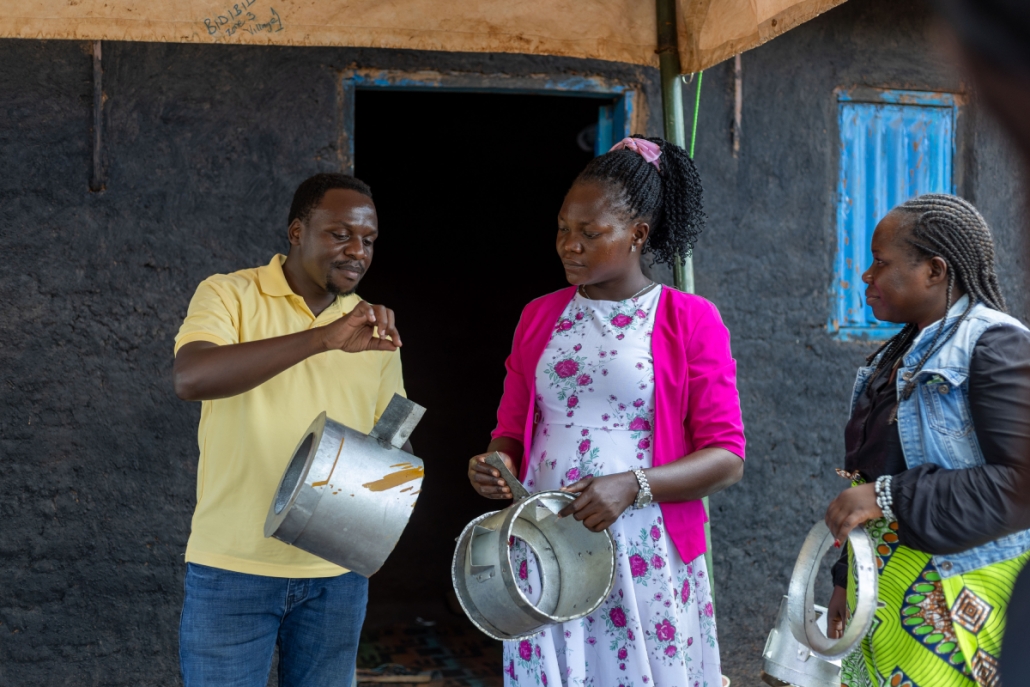
For many households in Bidibidi Refugee Settlement, cooking with firewood remains part of everyday life, often exposing women and families to smoke and the challenges of traditional cooking methods.
Recognizing the need for more efficient cooking alternatives, Jane Dawa, Founder of Jane’s Foundation, started producing energy-saving stoves and charcoal briquettes to provide households with cleaner and more efficient cooking solutions. But while her idea addressed a real community need, building a sustainable business around it was not without challenges.
However, turning this idea into a sustainable business came with its own challenges.
When Jane joined the WeWork Project, her business was barely six months old. Production was limited, sales were low, and inadequate financing and workspace made it difficult to meet growing demand. She also lacked the workforce needed to increase production.
“I used to produce about 45 stoves a month. I did not have enough resources or people to support the work, and growing the business was a challenge,” she recalls.
Building the capacity to grow
Through the WeWork Project, Jane received business development assistance, mentorship and practical resources to strengthen her enterprise.
The training helped her improve her pitching and communication skills, giving her the confidence to present her business, explain the value of her products and engage potential customers and partners.
She also received essential equipment and materials, including three wheelbarrows, hand hoes and their handles, four jerrycans, a water storage drum and other production supplies to support her charcoal briquette operations.
These resources addressed some of the practical challenges that had previously slowed down production. Before receiving the water storage drum, Jane often had to purchase water at a high cost, and shortages sometimes forced her team to suspend stove construction.
With the new equipment, she can now store water and access the materials needed to keep production moving.
A growing business creating opportunities for others
The changes have been reflected in Jane’s production capacity.
From producing approximately 45 energy-saving stoves per month before joining the project, she can now produce up to 241 stoves monthly. This growth has been supported by her ability to engage more young people in stove construction.
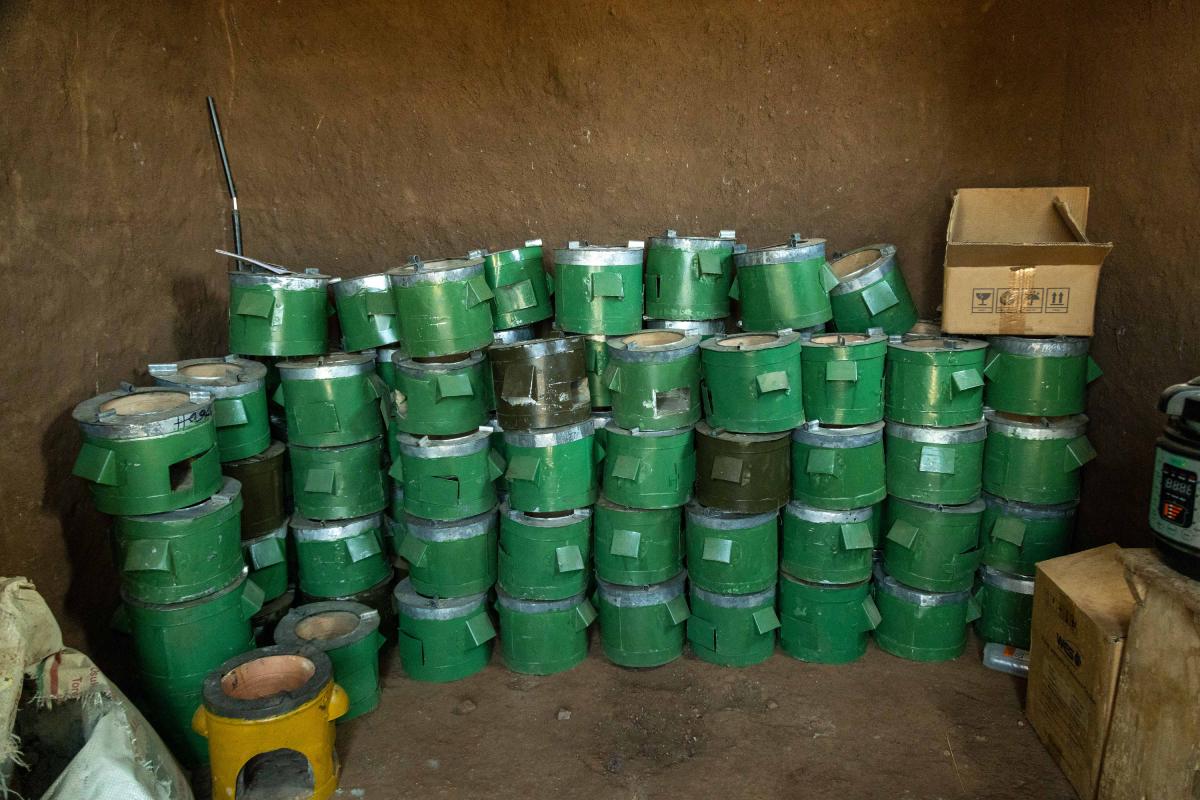
Some of the clean cooking stoves produced by Jane.
Her monthly revenue has also increased by 70%, reflecting the business’s improved production capacity and sales.
The business has equally expanded its workforce. What started with just three people, including Jane, a technician and a finance team member, has grown to include 10 young people involved in stove construction in one village and six people operating across six outlets.
Beyond production and sales, Jane has also transformed how she manages her business finances.
Previously, she relied on handwritten records, which were difficult to maintain and retrieve, particularly when documents were damaged by rain. Through the project’s financial compliance training, she adopted digital record-keeping using Zoho Books and a sales-tracking system that allows her team to record daily transactions.
She can now access her sales records more easily, monitor business activities and keep important financial information safely stored online.
More than business growth
For Jane, one of the most significant outcomes of the WeWork Project has been the personal growth that has come with running her business.
She describes how she previously struggled to speak confidently in public or present her business to potential partners. Through the training and mentorship sessions, she has developed the confidence to communicate her ideas, pitch her products and engage with different stakeholders.
She particularly recalls advice from one of her mentors, who encouraged her to treat her business with the same care she would give her own child.
“That statement stayed with me. It changed how I think about my business and how much effort I put into growing it,” she says.
Jane also values the practical nature of the support she received, particularly the provision of equipment and resources that directly address the challenges facing her business.
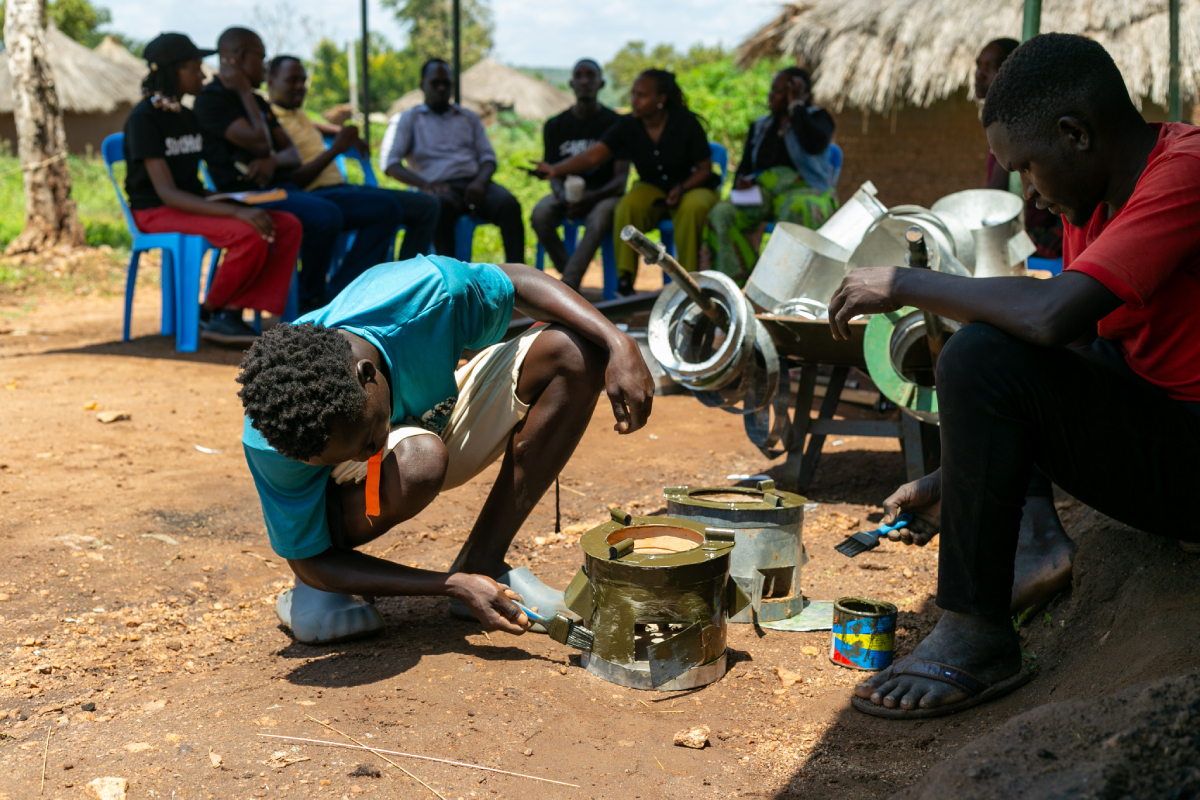
Jane’s team members painting some of the stoves.
For her, the WeWork Project has been an important turning point, providing the knowledge, tools and encouragement to move beyond simply running a small business towards building a more structured and sustainable enterprise.
As Jane continues to expand the production of energy-saving stoves and charcoal briquettes, her journey demonstrates how targeted business support can help emerging entrepreneurs strengthen their enterprises, create employment opportunities and contribute to solutions that respond to everyday community challenges.
The WeWork – Green and Decent Jobs for Youth project, is implemented by StartHub Africa in collaboration with Enabel, the Belgian Agency for International Cooperation, under the Global Gateway strategy and funded by the European Union and Belgium.