
Che Innovations Growth Journey with WeWork
For many youth entrepreneurs, developing a product is only the first step. Turning that product into a viable business requires access to finance, the right technical support, a clear understanding of the market and the confidence to keep going when sales do not come immediately.
The WeWork – Green and Decent Jobs for Youth project works to bridge that gap by strengthening youth-led businesses operating in the green and circular economy (GCE) through incubation, financing and technical guidance.
When Arinaitwe Vivian joined the WeWork project, Che Innovations Uganda Ltd had a product but no customers.
The business was still at the prototype stage. Its CHE Nest product had been developed, but the business had not yet generated any sales. At the time, Vivian’s strategy was largely focused on selling to hospitals, limiting the business to a relatively narrow customer base.
Today, Che Innovations is on a different trajectory.
The business has moved from having a prototype to generating consistent monthly revenue, reached 30 families with its products, created two employment opportunities, and strengthened both its production capacity and financial management.
Turning an idea into a market-ready product
Through the grant received, the business invested in essential raw materials, including Mackintosh rolls, nest materials, foam, baby nets and bedsheets, as well as labour for sewing and mattress production.
This investment enabled the business to stock enough raw materials to produce more than 100 CHE Nest accessories, giving Vivian greater capacity to fulfil orders and respond to market opportunities.
The increased access to materials also helped reduce production costs and improve the business’s profitability.
But production was only one part of the challenge.

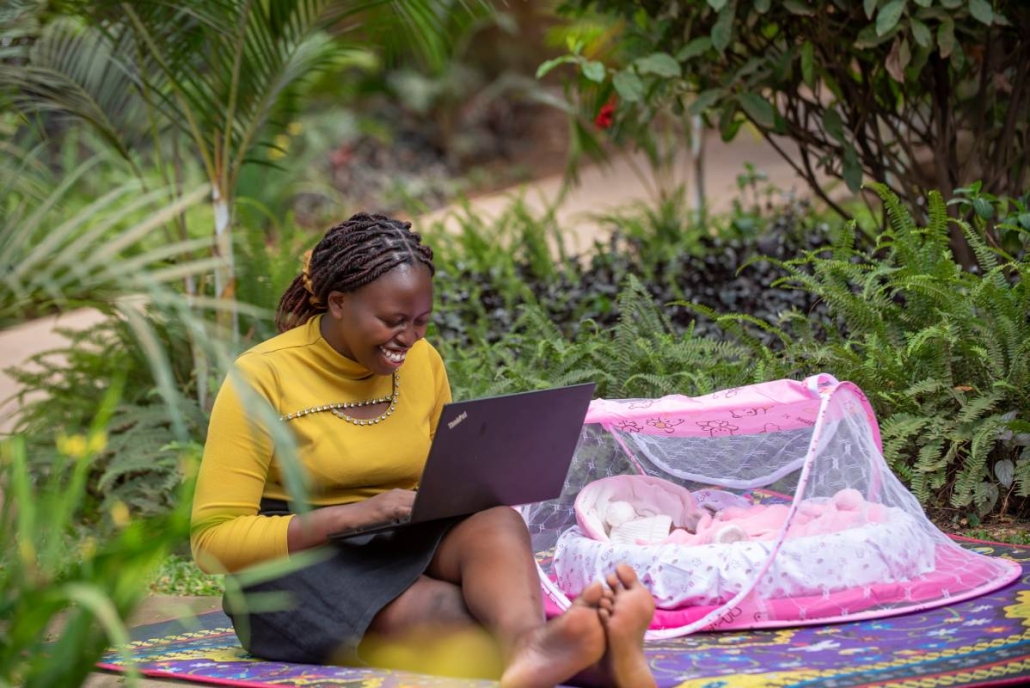
A little one resting comfortably in the CHE Nest.
Finding the customers
One of the most important changes for Che Innovations came through mentorship and coaching.
Before joining the project, the business was primarily focused on hospitals. Through the project, Vivian was encouraged to think differently about her market and explore direct sales to families and parents.
This shift opened a much larger customer market.
“We realized that we couldn’t just wait for institutional buyers to come to us. We started creating weekly sales plans and being more intentional about reaching out to potential customers,” said Vivian.
The approach started to pay off.
Che Innovations has now sold its products to 30 families, marking an important shift from having a product with no sales to building a growing customer base.
The change in market approach has also been reflected in the business’s sales performance. Over the five-month mentorship period, Che Innovations recorded a 47% increase in average monthly sales, reflecting the impact of a more focused customer strategy and structured approach to sales.
The change was not simply about finding more customers. It was also about learning how to sell sustainably.
Learning the numbers behind the business
Mentorship placed a strong focus on the fundamentals that help businesses grow: pricing, unit economics, profit margins, revenue generation and sales planning.
Before the project, Vivian was willing to sell her products at almost any price. Through coaching, she developed a stronger understanding of how the different costs involved in producing her products affected profitability.
This helped her make more informed pricing decisions and better understand what it would take for the business to generate sustainable revenue.
The introduction of structured weekly sales plans also helped turn customer acquisition into a more deliberate process.
The result has been a transition from a prototype to consistent monthly sales, demonstrating how business knowledge, when combined with access to resources and persistent customer outreach, can translate into tangible growth.
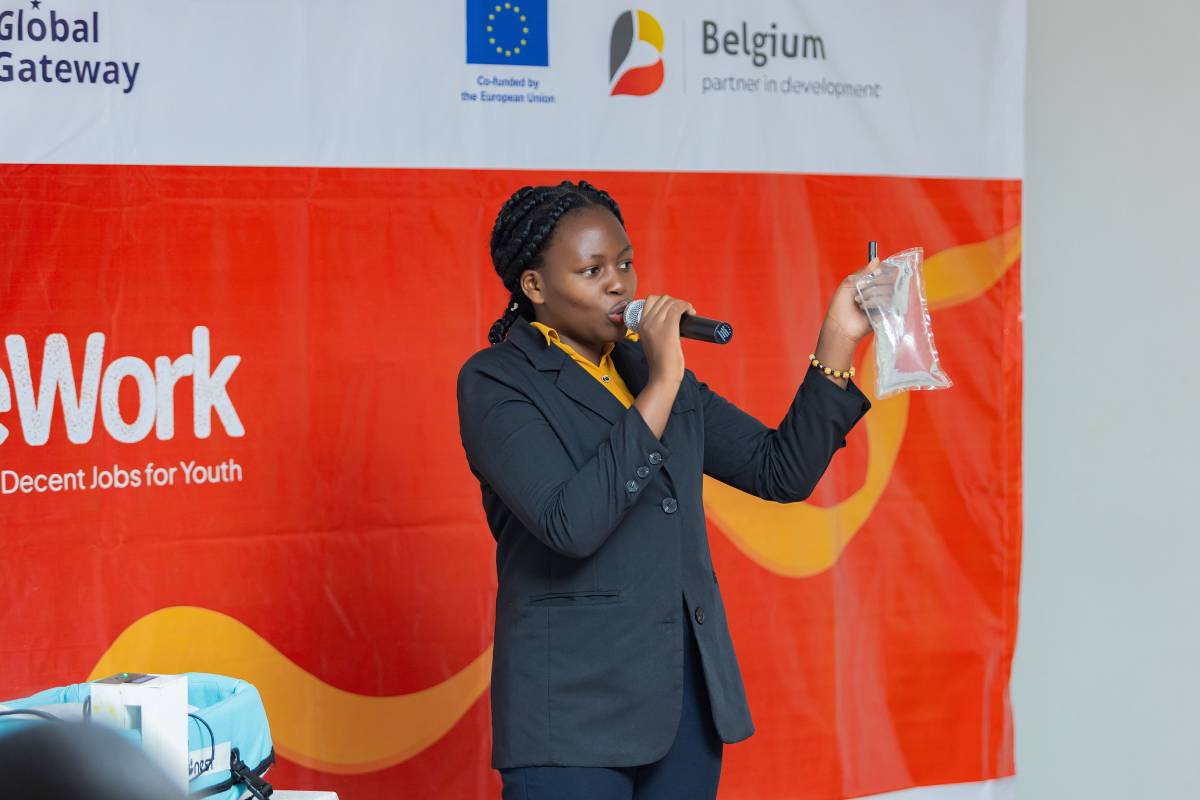
Vivian Arinaitwe pitching at the WeWork Pitch Event
Growing the team alongside the business
As the business has grown, so has its capacity to create opportunities for others.
Che Innovations has created two jobs, in a period of 5 months, showing how the growth of a small enterprise can extend beyond the entrepreneur to create opportunities within the wider community.
The increased production capacity has also positioned the business to serve more customers as demand grows.
Strengthening the business behind the product
Growth is not only about making more sales. For a business to become sustainable, it also needs systems that allow the entrepreneur to understand and manage its finances.
As part of its progress, Che Innovations has adopted QuickBooks to strengthen financial management and record-keeping.
“We realized that growing the business also means putting proper systems in place to understand our finances and manage the business better,” Vivian Said.
This is an important step in moving the business from an early-stage venture towards a more structured and commercially viable enterprise.
Vivian’s journey with WeWork reflects a transformation that goes beyond numbers.
The WeWork – Green and Decent Jobs for Youth project, is implemented by StartHub Africa in collaboration with Enabel, the Belgian Agency for International Cooperation, under the Global Gateway strategy and funded by the European Union and Belgium.