
How IFeed Is Transforming Local Poultry Production
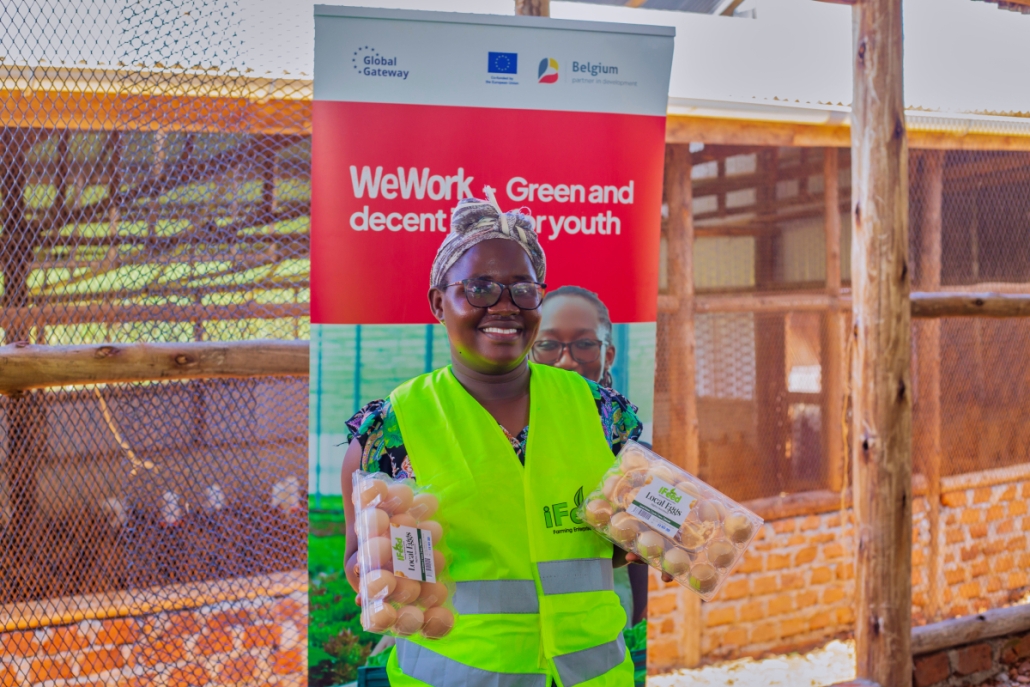
For Priscilla Linda Kabalimba, Founder and CEO of IFeed Farming Enterprise, building a successful poultry business has been about more than meeting the growing demand for local chicken. It has meant finding better ways to increase production, reach customers and establish systems that support sustainable business growth.
Located in Mukono, IFeed Farming Enterprise specializes in local poultry, supplying nutritious local eggs and chicks to the market. However, despite the demand for indigenous poultry products, the business initially struggled with challenges that limited its ability to grow.
Through its participation in the WeWork Project, the enterprise has been able to address some of these challenges, improve its production processes and strengthen its business operations. Today, it is recording a 50% increase in production, a 70% increase in sales and a significant reduction in chick mortality.
Overcoming Production Challenges Through Better Technology
Before joining the WeWork Project, IFeed Farming Enterprise faced difficulties identifying its target customers, accessing reliable markets for its eggs and developing effective sales strategies. While there was a growing demand for local chicken, the business lacked the market knowledge and systems needed to take advantage of the opportunity.
“We didn’t know where to sell our eggs, how to increase our sales or even who our target customers were,” Linda recalls.
As the business worked to identify its challenges through the project, one issue stood out: the high mortality rate among chicks during brooding. At the time, the enterprise experienced a chick mortality rate of approximately 20%, resulting in significant production losses.
To address this challenge, the business requested assitance to acquire an improved brooding system. The new gas-powered equipment has since transformed its production capacity.
Previously, the enterprise could only brood approximately 1,000 birds at a time. With the new system, it can now accommodate up to 2,000 birds, doubling its brooding capacity. More significantly, chick mortality has reduced from 20% to just 2%, allowing the business to minimise losses and improve the number of birds that survive.
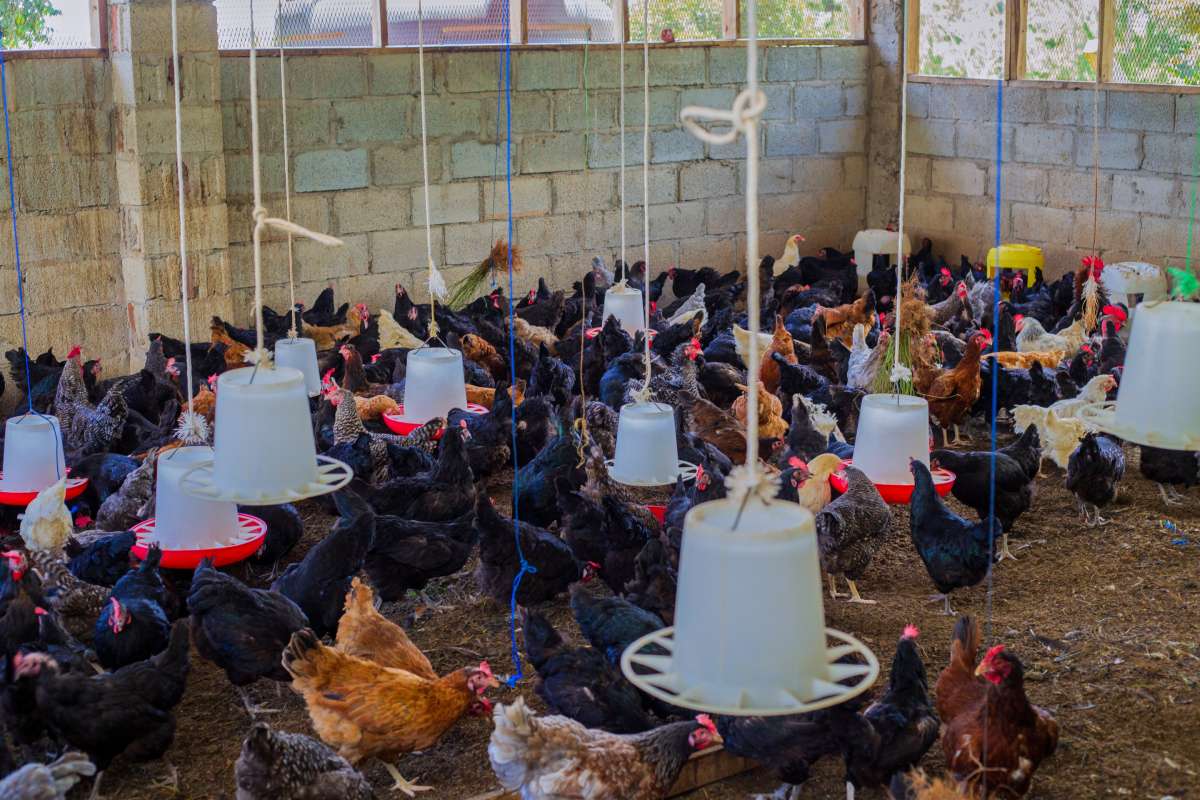
The transition from charcoal to gas has also made the brooding process more efficient, reducing reliance on charcoal while supporting increased production.
“Can you imagine that our mortality has reduced from 20% to 2%? Initially, we could only brood 1,000 birds, but with this brooding system, we can now brood 2,000 birds,” Linda says.
Strengthening Business Management and Financial Accountability
Beyond improving production, the WeWork Project has also helped IFeed Farming Enterprise strengthen how it manages its finances and tracks business performance.
Previously, most transactions were handled in cash, making it difficult to consistently record income and expenditure. This sometimes resulted in missed expenses and limited the business’s ability to accurately assess its financial position.
Through the project, the enterprise adopted more structured financial management practices, including establishing dedicated mobile money lines and a bank account for its business transactions. It also acquired a financial management system to support record-keeping and financial analysis.
With transactions now channeled through mobile money and the business bank account, the enterprise has improved its ability to track financial activity, maintain supporting records and account for its business performance.
These changes have introduced greater accountability into its operations, enabling Linda and her team to make more informed decisions based on documented financial information rather than estimates.
Turning Business Improvements into Measurable Growth
The improvements in production and financial management are translating into tangible business results.
IFeed Farming Enterprise has recorded a 50% increase in production and a 70% increase in sales, reflecting its growing capacity to meet market demand and strengthen its position in the local poultry value chain.
The business is also contributing to employment and livelihoods in its community. It currently employs six full-time staff and two part-time employees, in addition to several casual workers who provide support when needed.
For Linda, these achievements represent important progress towards building a more productive, organized and sustainable enterprise.
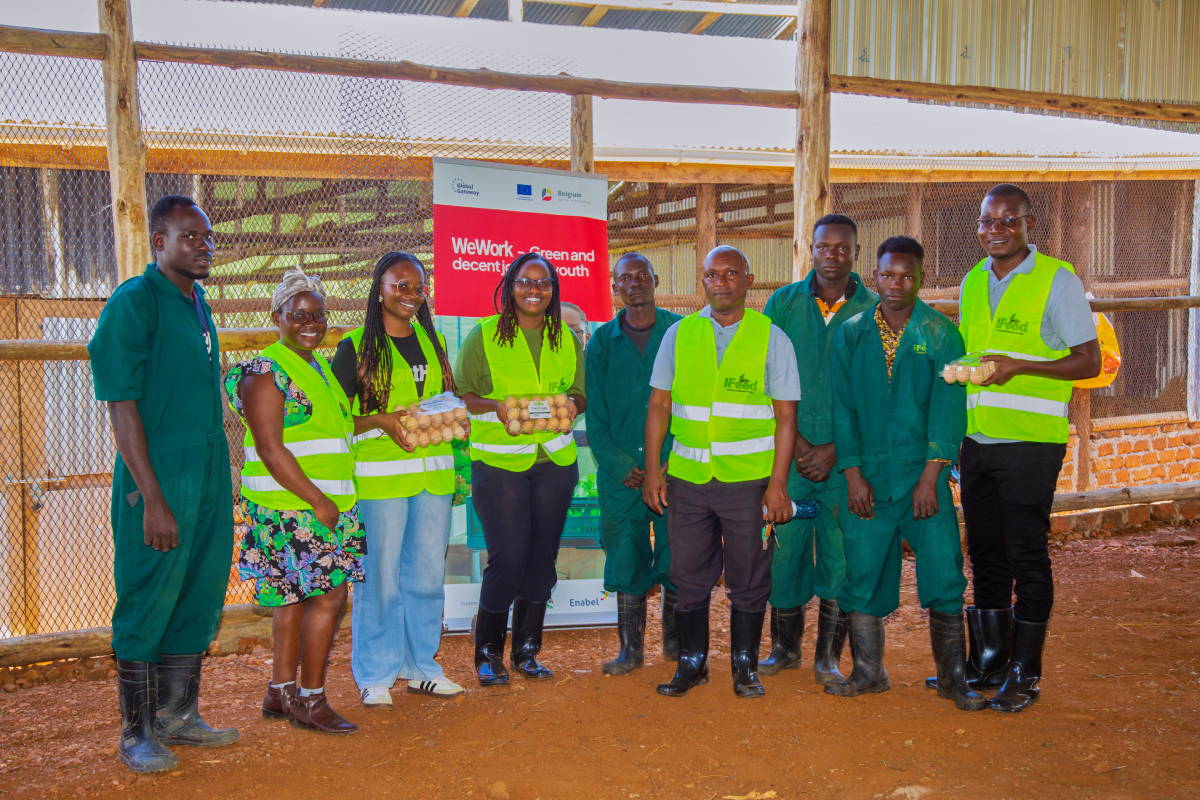
StartHub Africa and Enabel teams during a visit to IFeed Farming Enterprise’s farm
By addressing its production challenges, adopting better technology and strengthening its financial management systems, IFeed Farming Enterprise is better positioned to respond to the demand for local poultry products while creating employment opportunities.
Its journey demonstrates how targeted business support, appropriate technology and stronger operational practices can help small businesses overcome growth barriers and build more resilient enterprises.
Through the WeWork Project, IFeed Farming Enterprise is not only increasing the number of birds it can raise but also building the business systems needed to sustain its growth.